Antarctica’s New Generation of Research Stations
Antarctica stands apart from every other place on Earth. It is the coldest, driest, and most isolated continent, yet it now hosts some of the most advanced scientific facilities ever built. By the summer of 2025, a quiet shift is underway across this frozen world as nations construct modern research stations that do far more than survive the brutal environment. These new bases support continuous scientific work, protect fragile ecosystems, and prove that sustainable living is possible at the planet’s edge. When I first looked at the scale of these projects, I felt the same sense of awe scientists describe when they step onto the ice for the first time.
Why Antarctica Demands a New Era of Stations
Antarctica has always tested human endurance. Winter temperatures can plunge to minus 60 degrees Celsius. Winds move with enough force to rip structures apart, and long stretches of darkness isolate researchers from the rest of the world. The difficulty of working here shaped earlier generations of stations, which relied heavily on diesel generators, bulky infrastructure, and basic accommodations.
The urgency for better facilities has grown fast. Scientists now track climate shifts that affect coastlines worldwide. Several studies show parts of Antarctica warming nearly three times faster than the global average, a trend that brings profound consequences for ice sheets and sea levels. Continuous, high-quality data is essential for climate models, weather forecasting, wildlife monitoring, and even global disaster preparedness.
Building modern stations is a challenge in itself. Every piece of equipment must travel across rough seas or unstable ice. International treaties regulate everything, from waste management to fuel storage. Any new structure must respect Antarctica’s role as a protected natural reserve. Engineers and researchers now face a clear responsibility. They must expand scientific capability without harming the very environment they study.
Also Read: How China Built an Underwater Mega Tunnel in Just 110 Days
China’s Qinling Station Sets a New Benchmark
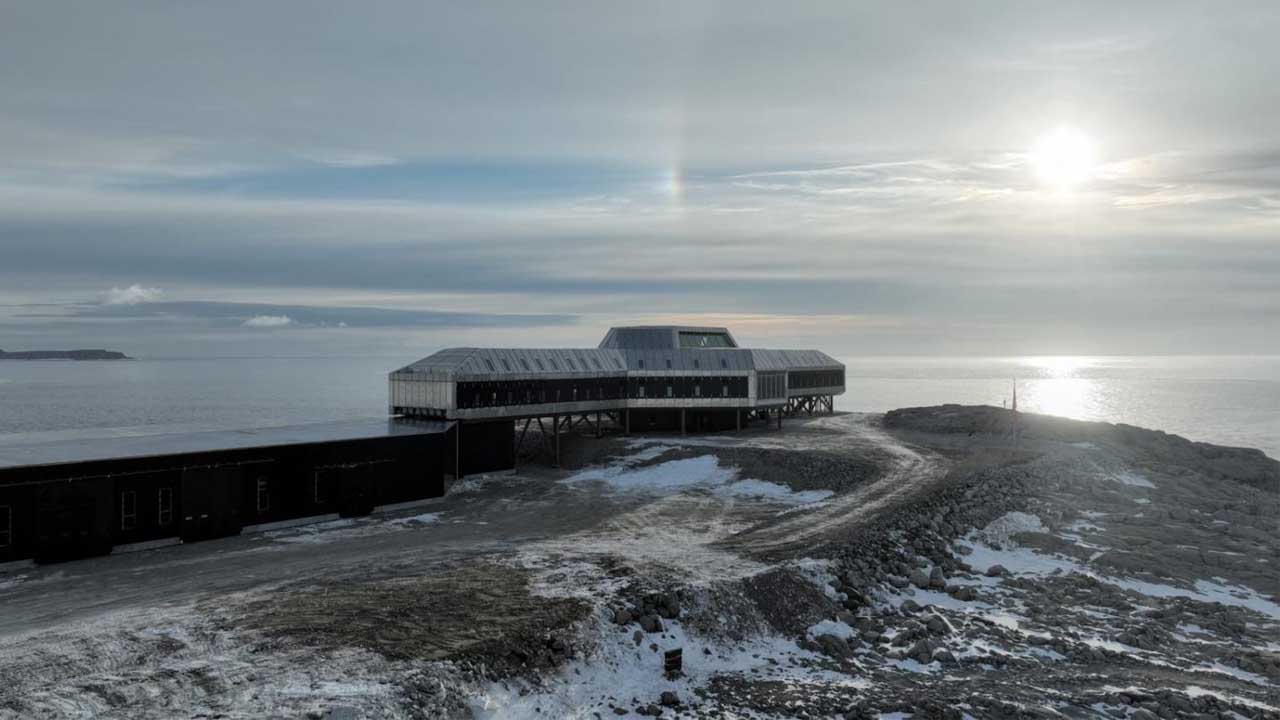
On Inexpressible Island near the Ross Sea, China has completed one of the most ambitious Antarctic bases to date. Qinling Station opened in early 2024 as China’s fifth permanent presence on the continent. Only a year later, in March 2025, it reached a milestone that could influence how future stations operate.
Qinling became one of the first stations in Antarctica to run primarily on renewable energy. Engineers installed a system that blends large wind turbines, high-capacity solar fields, hydrogen production equipment, and low-temperature battery banks. This network now supplies roughly 60 percent of the station’s total electricity.
Reducing the need for diesel fuel matters deeply here. Every liter of fuel must be shipped from thousands of kilometers away, often through dangerous ice-strewn waters. Cutting fuel demand lowers cost, reduces emissions, and limits environmental risk. Qinling demonstrates that advanced power systems can support year-round science without heavy reliance on fossil fuels.
Inside the station, researchers have access to climate laboratories, earth observation equipment, and advanced communication systems that send real-time data to partners worldwide. The station also includes living quarters designed for long stays, giving teams a more comfortable and stable base for extreme-weather operations. Qinling functions as both a research center and a real-world test bed for sustainable technologies in polar conditions.
The UK’s Discovery Building Redefines Life at Rothera
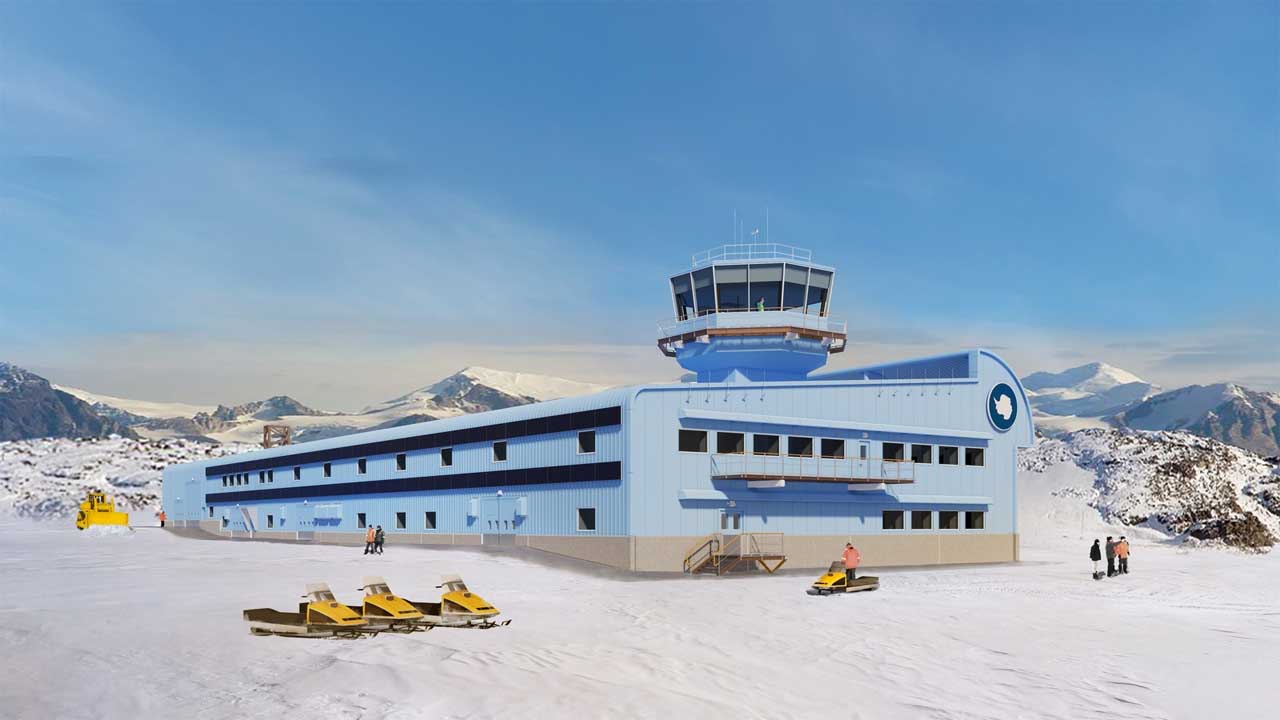
Far across the continent, on Adelaide Island, the United Kingdom is upgrading one of its oldest and most important Antarctic hubs. Rothera Research Station has supported ground-breaking polar science for decades, and the new Discovery Building marks the beginning of its next chapter.
The building covers 4500 square meters and brings nearly all essential operations into one integrated structure. Laboratories, workshops, energy systems, offices, water production, and storage areas now sit within a unified hub that improves efficiency and reduces energy loss.
Engineers designed the Discovery Building to handle Antarctica’s harshest conditions. Its shape directs wind around the structure, preventing deep snow drifts that once buried older buildings. Thick insulation keeps heat inside and cuts carbon emissions by an estimated 25 percent. Enclosed walkways allow researchers to move safely between spaces during storms, something veteran scientists at Rothera have long requested.
The interior focuses on human well-being. Large windows draw in natural light as much as possible, helping reduce stress during months of limited daylight. Staff quarters offer better privacy, stable temperatures, and more comfortable communal areas. The power and water systems are already running, and full handover is expected by the 2025 to 2026 research season. Once complete, the Discovery Building will rank among the most advanced polar research facilities on the planet.
Australia’s Long-Term Renewal at Davis Station
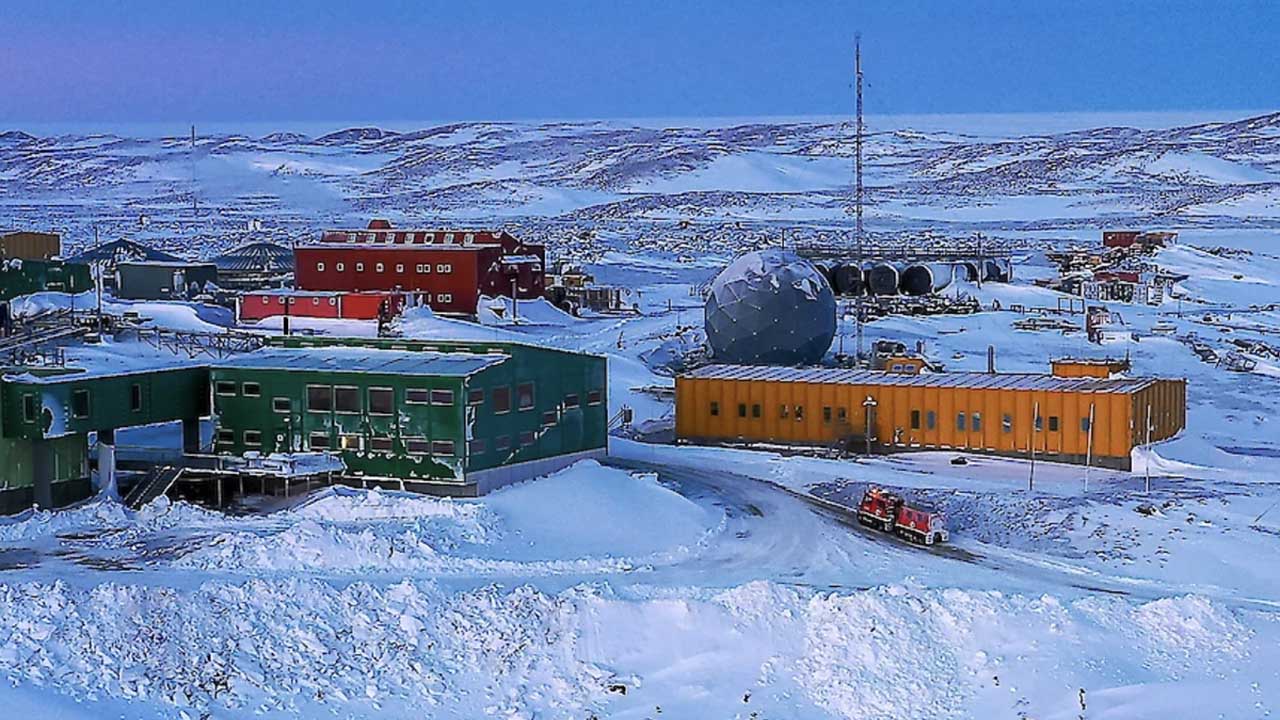
To the west, Australia is preparing one of the biggest Antarctic construction efforts in its history. Davis Station, located on the Ingrid Christensen Coast, will undergo a complete transformation through a program valued at approximately 251 million dollars.
This seven-year project begins in late 2025 and runs through mid-2030. The aim is clear. Australia wants a station that can support larger science teams, manage demanding research tasks, and operate with strong environmental responsibility.
Planned upgrades include a new seawater intake and desalination system that ensures reliable access to fresh water. A modern powerhouse will stabilize energy supply, and upgraded utilities will improve safety across the site. Engineers will refurbish selected buildings while removing old, inefficient ones that no longer meet environmental or operational standards.
When the renewal is finished, Davis Station will offer a vastly improved platform for atmospheric science, ocean monitoring, glaciology, and long-term climate studies. Australia’s investment reflects the country’s growing interest in the region and its commitment to protecting Antarctic ecosystems through modern infrastructure.
From Diesel Outposts to Sustainable Bases
Older Antarctic stations often followed simple, functional layouts. Many sat at ground level, where drifting snow eventually covered them. Diesel generators rumbled year-round, producing noise, emissions, and logistical challenges. Keeping these stations operational required constant maintenance and fuel shipments.
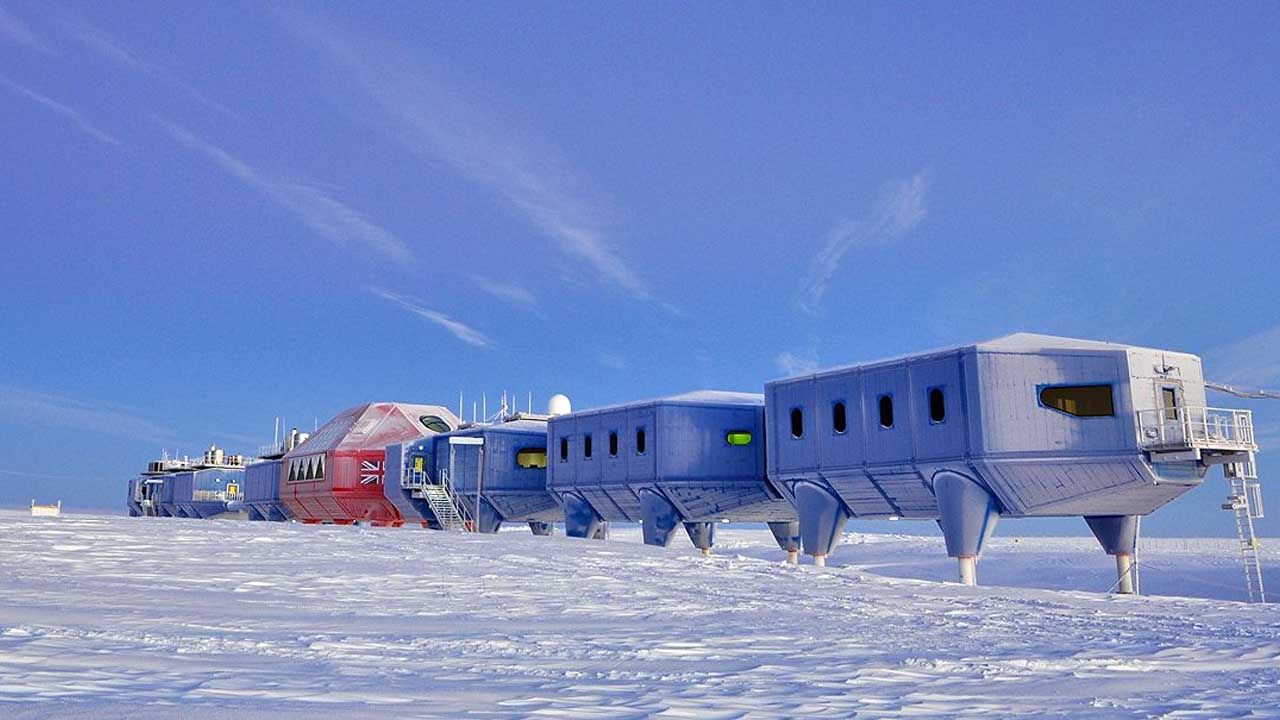
A few exceptions hinted at what was possible. Germany’s Neumayer III Station stands on hydraulic legs, allowing it to rise above snow accumulation. Belgium’s Princess Elisabeth Station became the first zero-emission facility in Antarctica in 2009, powered entirely by wind and solar systems.
That early progress now shapes a continent-wide shift. Engineers elevate new buildings to prevent snow burial. Aerodynamic forms guide wind in ways that reduce drift buildup. Multi-source renewable systems handle the majority of power needs, supported by hydrogen production and advanced battery storage. This approach reduces diesel use and protects the environment that researchers work hard to understand.
Trends Shaping Antarctic Construction in 2025
Several common trends define construction across Antarctica today. Hybrid clean energy systems have become standard, blending wind, solar, battery banks, and hydrogen storage. Stations rely more on thick insulation and high-efficiency heating systems to reduce fuel consumption.
Prefabricated modules speed up assembly during the short summer window when conditions allow construction teams to operate. These modules arrive ready to connect, cutting time on the ice and reducing the number of heavy machines needed on site.
Snow management now plays a crucial role in design. Elevated platforms, curved building shapes, and engineered wind guides prevent snow from piling up around entrances and critical equipment. Behind the walls, monitoring systems track structural health, energy loads, indoor air quality, and weather changes. This gives teams the ability to anticipate repairs and avoid disruptions during storms or periods of isolation.
These advances strengthen scientific capability and create safer, healthier environments for the people who live and work on the continent.
The Next Wave of Station Projects
The push to modernize Antarctic infrastructure continues as more nations prepare new facilities. Poland is building a new elevated Arctowski Station using prefabricated sections that should be complete by mid-2026. India is moving forward with Maitri-2 to replace its aging Maitri base, giving its Antarctic program a reliable home for long-term research. Turkey is planning its first permanent station, a major step for its growing scientific presence.
New Zealand has redevelopment plans underway as well, focusing on improving environmental performance and extending the life of its Scott Base operations. These efforts show a shared global goal. Nations want to strengthen climate research, support environmental protection, and secure long-term access to one of the most important scientific regions on Earth.
Also Read: Japan Just Built the World’s Largest Wooden Structure and It’s Breathtaking
Antarctica’s Future Takes Shape
Antarctica has always tested human resolve. For years, researchers focused on staying warm, staying powered, and staying alive. In 2025, the mission expands far beyond survival. Scientists, engineers, and governments now aim to build stations that operate responsibly, support continuous research, and reduce the continent’s environmental footprint.
China’s Qinling Station, the UK’s Discovery Building, and Australia’s Davis Station renewal show how fast this change is unfolding. These projects push scientific capability forward and strengthen global understanding of climate systems that affect every coastal nation.
As this transformation continues, one question stands out. If you spent a season in Antarctica, which of these stations would you choose as your base? Qinling’s renewable energy systems, the Discovery Building’s modern design, or the renewed strength of Davis Station?
No matter the choice, the message is clear. The future of Antarctic research is not about struggling to endure. It is about building intelligent, responsible, and resilient places that allow humanity to learn from the last great wilderness on Earth.