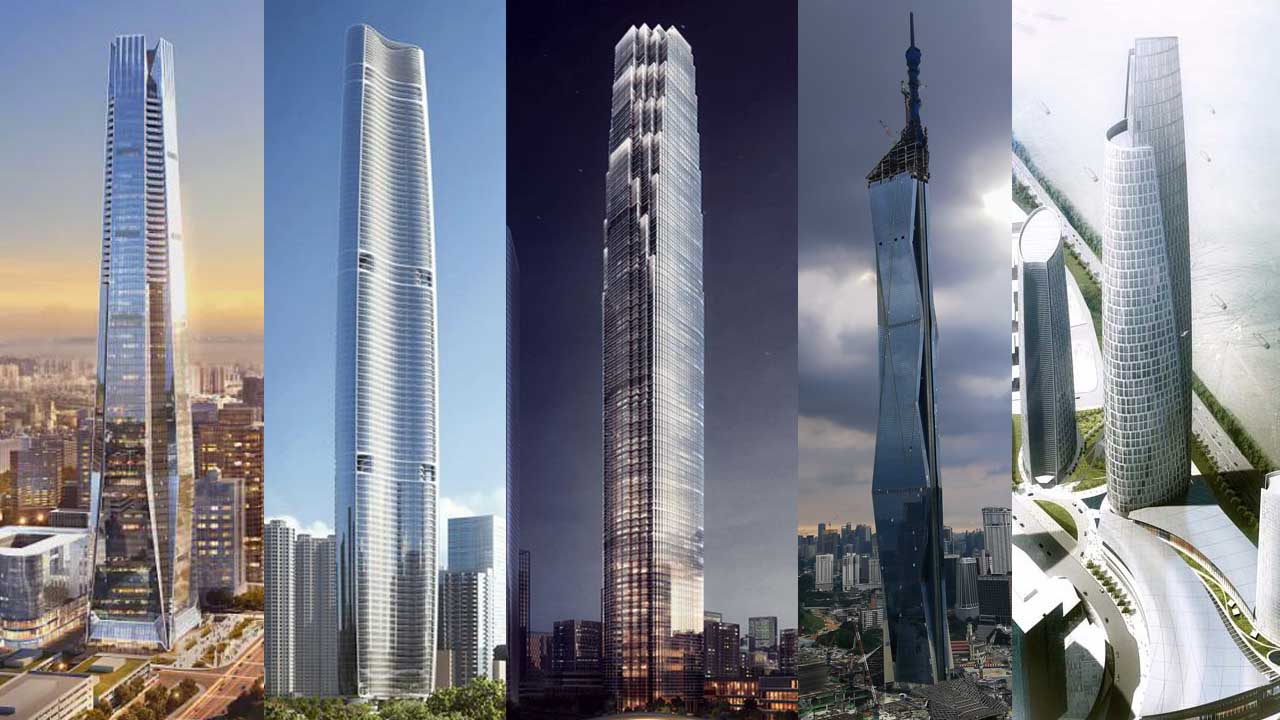
The Tallest Skyscrapers Under Construction Right Now
Skyscrapers now tower higher than any structures built before them. Engineers challenge gravity every year as cities race upward to create the next signature landmark. These buildings no longer exist only as offices or homes. They act as economic signals, cultural monuments, and expressions of national confidence. I have studied these projects closely, and standing beside one active tower site feels immense. You hear machinery echo through steel cores rising faster than the eye can follow. You watch workers bolt each joint with calm precision. You realize these towers do not grow by ambition alone. They grow through calculation, sacrifice, planning, and courage.
Across several continents, a new generation of supertall skyscrapers now reshapes skylines and expectations. Each project reflects local challenges and technical breakthroughs. Together, they show how human determination pushes urban limits into territory once considered unreachable.
Riviera Tower, Greece
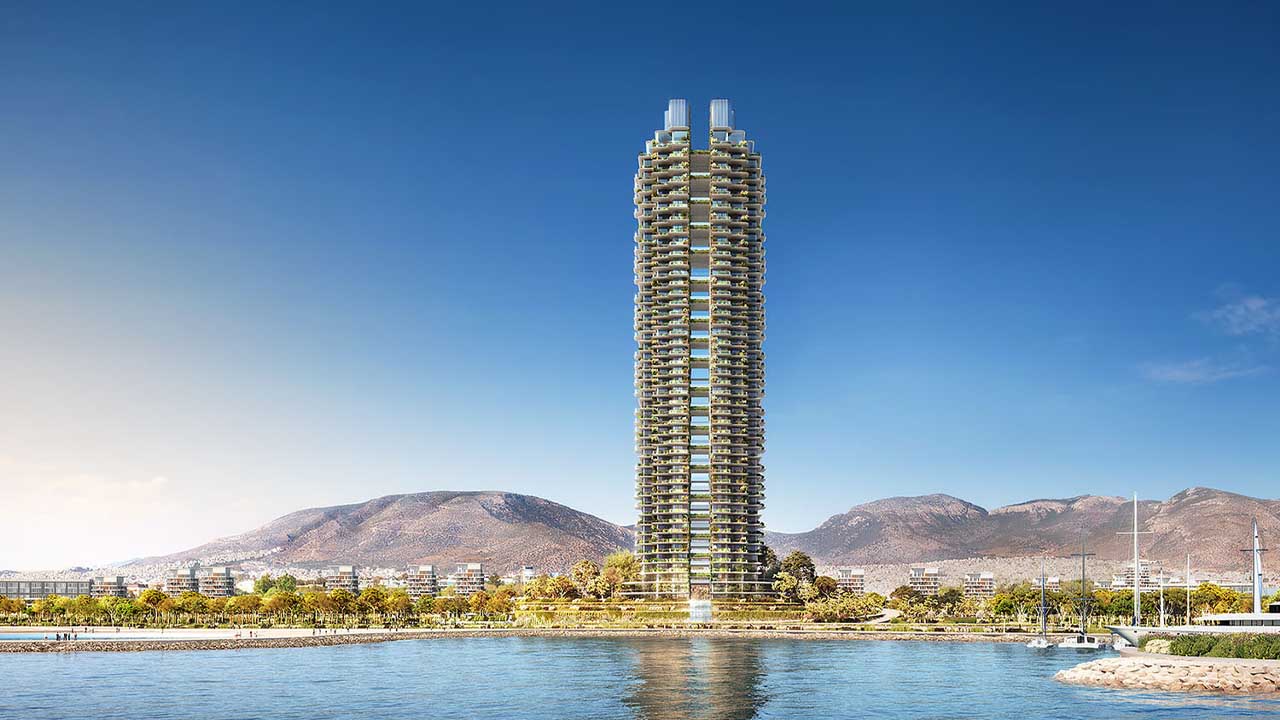
The Riviera Tower rises above the former Ellinikon Airport in Athens and establishes Greece’s first true skyscraper. At 198 meters, it almost doubles the height of Athens Tower 1 and forms the visual center of Europe’s largest regeneration project. The Ellinikon redevelopment spans more than 6.2 million square meters and mixes housing, public parks, schools, and commercial districts. Riviera Tower anchors this vast transformation as its tallest residential landmark.
Engineers had to adapt foundations around legacy airport structures and unstable coastal soil layers. Design teams drove piles deep into bedrock and introduced base isolation concepts to protect against seismic forces common in the eastern Mediterranean. Greece lies along the Hellenic Arc, one of Europe’s most active earthquake belts. Structural teams selected tuned reinforcement geometry and flexible load transfer joints to dissipate seismic energy instead of resisting it directly.
The tower includes premium residential units clad in curtain-wall glass systems optimized for Mediterranean heat exposure. High-performance glazing blocks solar gain while preserving panoramic views across the Saronic Gulf. Critics inside Greece continue to question housing affordability around the site due to rising real estate values. The tower nevertheless marks a major turning point for the national skyline and is scheduled for completion in 2026.
Also Read: Why Toronto Still Can’t Open Its $13 Billion Transit Line
Sky Fort, Bulgaria
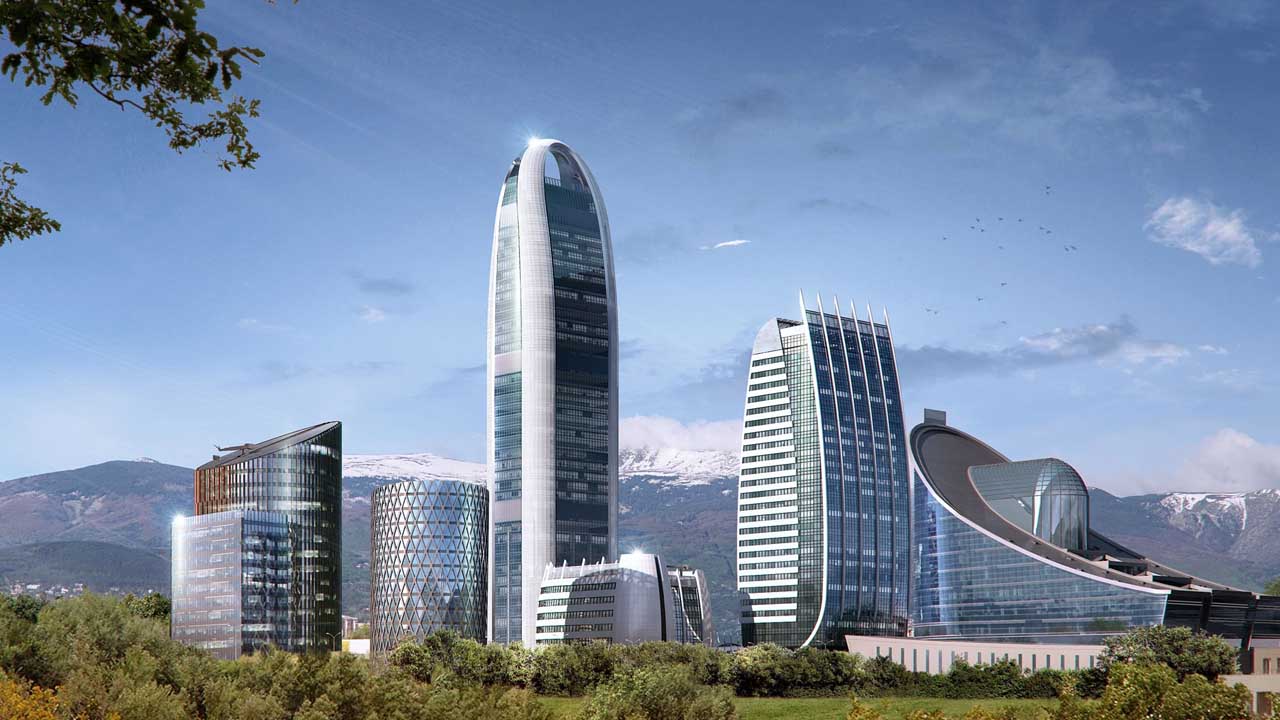
Sky Fort rises 202 meters over Sofia and claims the title of Bulgaria’s tallest completed structure once construction concludes. Its defining feature remains an inverted arch silhouette that demanded extraordinary engineering control. Structural teams poured C60 high-strength concrete into custom formwork able to hold near-curved geometry without stress fractures.
Bulgaria lies within a moderate seismic corridor. Designers implemented dual-glass façades with sliding fix points to absorb lateral movement during earthquakes. Wind tunnel studies drove modifications to the tower shape to prevent vortex shedding that could amplify sway. Bulgarian engineers collaborated with Austrian and German specialists to integrate damping cores into the concrete shear walls.
Sky Fort presents a modern answer to Sofia’s growing office demand while elevating architectural ambition in Eastern Europe. Construction crews complete final façade installation during 2025.
The Link, France

The Link controls the skyline of Paris La Défense with twin towers reaching 242 meters. Thirty elevated bridges connect its towers from floor to floor and create garden walkways that blur the boundary between interior and exterior environments.
French sustainability standards pushed project teams to rethink energy consumption entirely. The tower uses photovoltaic panel arrays embedded into the curtain wall. A high-efficiency HVAC network reuses thermal exhaust air to stabilize internal climates. Combined systems now achieve roughly 45 percent lower energy consumption compared to equivalent high-rise office towers.
The structure also leverages Paris’s strict carbon budgets by favoring recycled steel and low-carbon concrete additives. As the new headquarters for TotalEnergies, the complex becomes a landmark example of how major corporations integrate sustainability targets directly into skyscraper construction.
SkyTower, Canada

SkyTower climbs to 352 meters inside Toronto’s downtown core. With 106 residential floors, it now records the tallest residential tower in the country. Designers integrated the building directly into the PATH underground transit network, allowing residents to access shops and stations year-round without exposure to winter conditions.
The tower faced unusual wind loads due to Lake Ontario’s open-air fetch. Engineers performed advanced computational fluid dynamics testing to refine the balcony edges and reduce aerodynamic drag. A reinforced concrete central spine anchors the entire structure and transfers oscillation loads directly into foundation caissons drilled deep below the city grid.
Completion arrives in stages beginning later this year as home buyers begin occupancy on lower levels while upper construction continues.
Torch Tower, Japan
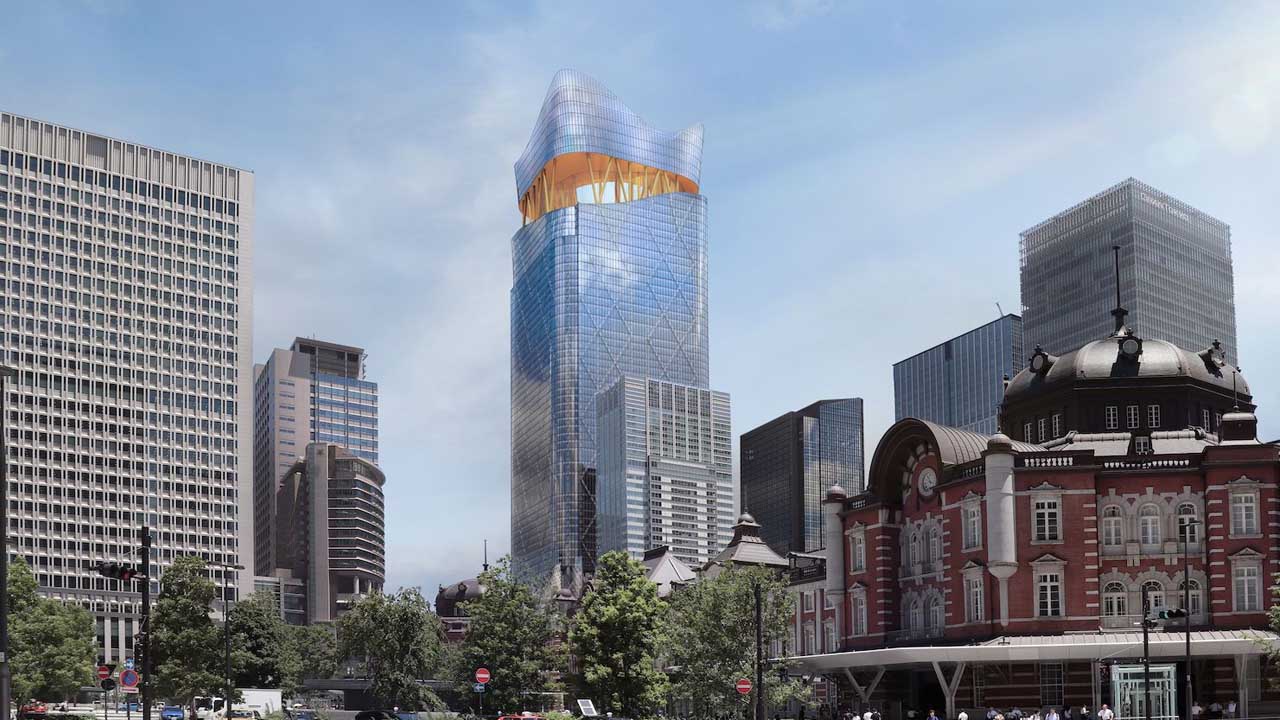
Tokyo’s Torch Tower aims for a height of 390 meters using a flexible braced-tube system engineered for Japan’s extreme seismic realities. Tokyo experiences thousands of tremors annually, many exceeding magnitude 6. Structures here must release stored energy safely instead of resisting force rigidly.
Engineers installed viscous dampers within steel crossframes that shift under stress and convert kinetic energy into frictional heat. This structural motion prevents catastrophic failure during earthquakes.
Public space anchors the building at ground level where landscaped gardens and koi ponds introduce calm into one of the world’s busiest urban environments. The tower shape tapers upward like a ceremonial torch, symbolizing endurance. Target completion stands at 2028.
Tour F, Ivory Coast
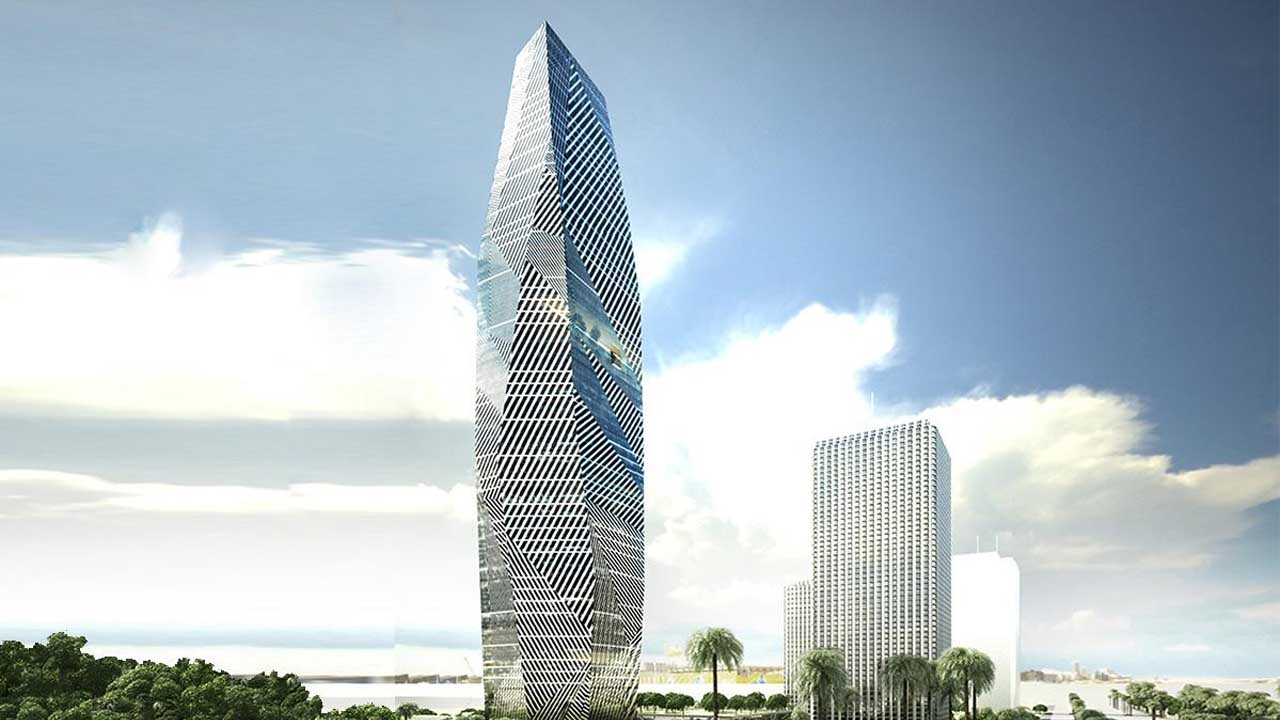
Tour F rises to 421 meters over Abidjan and claims the title of Africa’s tallest building under construction. The project design traces back to the 1970s, though political upheaval and funding instability delayed progress for decades.
Modern construction restarted in 2021 with multinational engineering collaboration. Subsurface soil near the lagoon posed major challenges. Ground layers lacked stability, forcing deep pile foundations driven more than 90 meters into compacted formations. A composite steel core now supports the superstructure while resisting torsion from strong coastal winds.
Tour F symbolizes West Africa’s growing financial strength and represents the largest single vertical investment project in regional history. Completion remains scheduled for 2026 pending final financing phases.
Torre Rise, Mexico
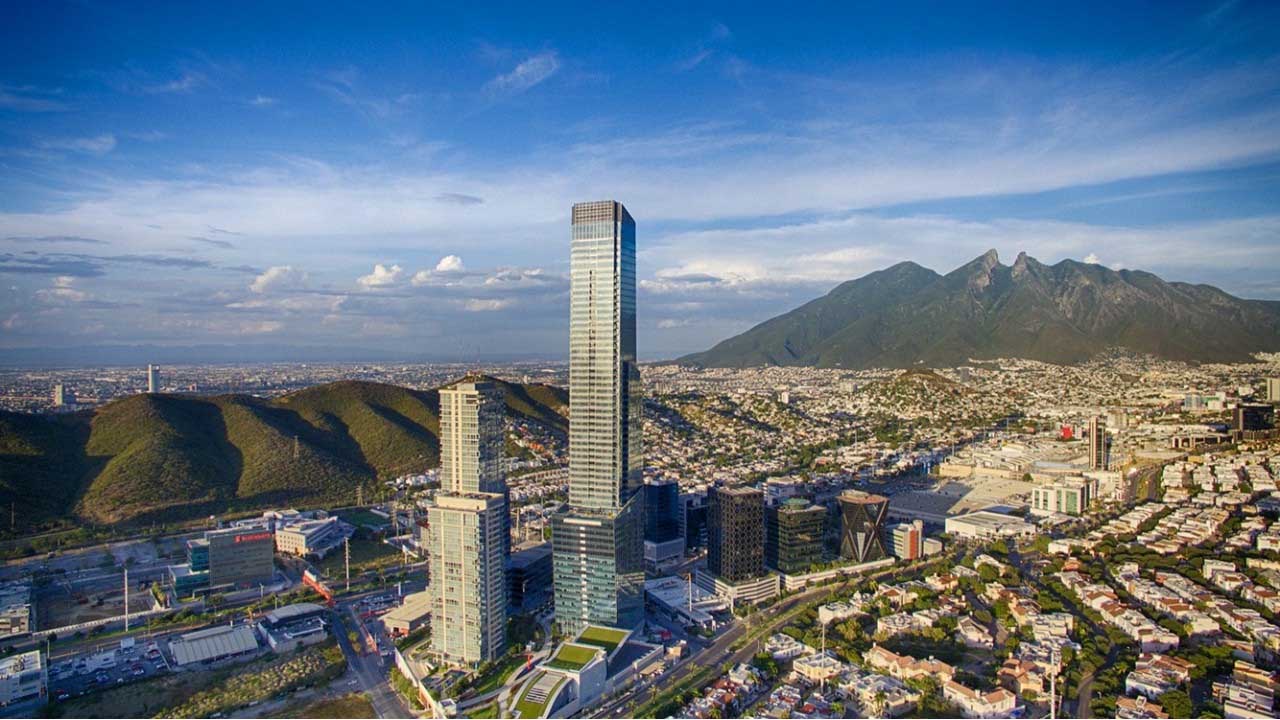
Monterrey’s Torre Rise will reach 475 meters and surpass the Empire State Building. The tower looks set to become Latin America’s tallest skyscraper once completed. Environmental limitations imposed severe constraints. Monterrey continues to experience long-term water shortages.
Engineers altered concrete batching processes to reduce freshwater dependence by recycling industrial water supplies and utilizing closed-loop washing systems. The structure employs a bundled-tube support core capable of redistributing load across segmented vertical shafts for increased resilience.
Urban development leaders view the project as a technological success that proves harsh environmental limits do not halt high-rise advancement when teams innovate responsibly.
Senna Tower, Brazil
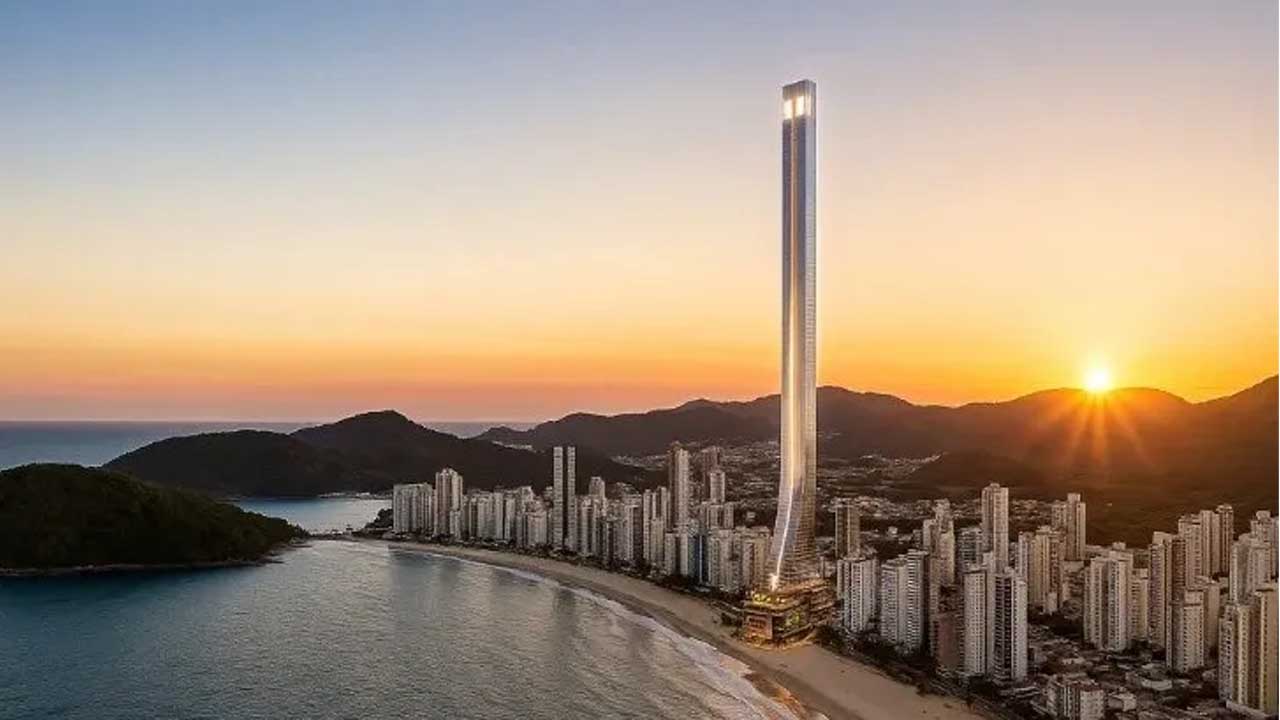
Senna Tower promises a height of 544 meters along Balneário Camboriú’s beachfront. Dedicated to Ayrton Senna, one of Brazil’s most revered athletes, the tower integrates motorsport symbolism throughout the design. A ground-level racetrack traces Senna’s historic Grand Prix victories in detailed pavement inlays.
The structure incorporates Latin America’s first tuned mass damper, a multi-ton suspended counterweight near the crown that responds to wind sway by shifting opposite movement to restore stability. Concrete compositions include ultra-high-strength fiber blends that allow slimmer structural members without compromising safety.
Construction planning begins in 2025 with phased assembly projected to stretch nearly a decade.
Legends Tower, United States
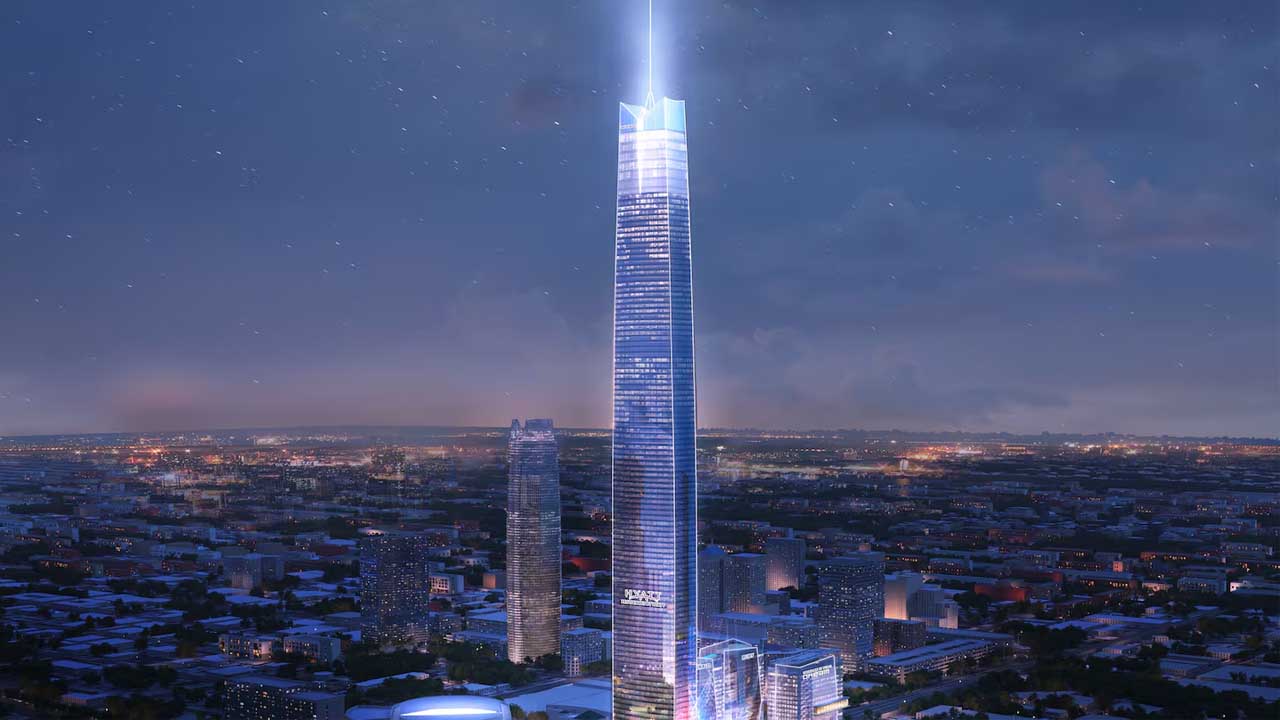
Oklahoma City now prepares for Legends Tower at a planned height of 581 meters. The number reflects the founding year of Oklahoma statehood in 1907. Designers must factor in one of the most volatile weather environments anywhere in North America.
Engineers designed an ultra-reinforced concrete core with hardened steel diaphragms specifically rated for extreme wind shear caused by supercell thunderstorms. Aerodynamic tapering softens wind pressure at higher elevations.
Federal Aviation Administration clearance remains pivotal due to proximity to flight corridors. If approvals finalize, construction completion targets 2030 with Legends Tower becoming the tallest building in the United States.
Jeddah Tower, Saudi Arabia
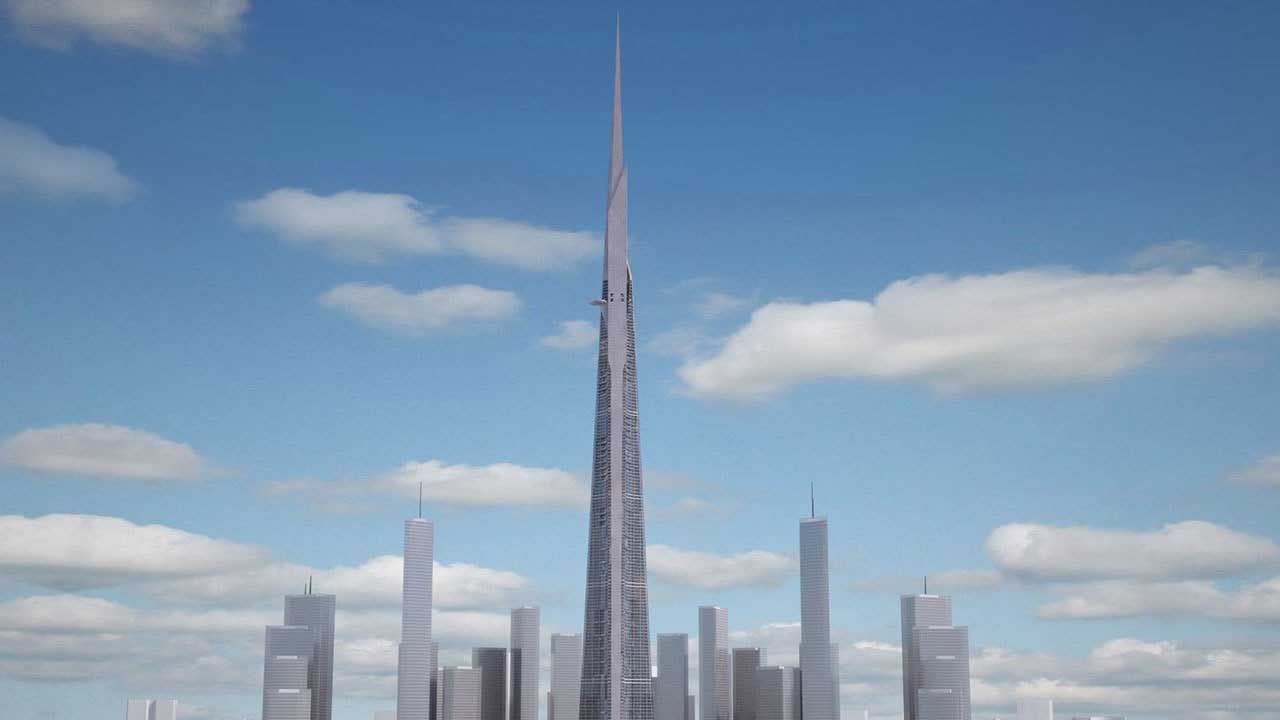
Jeddah Tower remains the most ambitious skyscraper undertaking in history. The intended height surpasses one kilometer, placing the structure nearly 200 meters taller than Burj Khalifa. Construction restarted after delays caused by contractor disputes and financing issues.
Current work reaches approximately 66 floors. Engineers continue refining wind modeling for the tapered Y-shaped footprint that stabilizes lateral movement at extreme levels. New elevator systems use carbon-fiber rope lines that reduce vertical weight accumulation over kilometer distances. Innovations in pump concrete chemistry allow continuous pouring hundreds of meters above ground without material dehydration, an essential advancement required for megatall construction.
Saudi Arabia aims to complete the tower by 2028, though observers acknowledge potential delays due to scale complexity.
Also Read: Why Saudi Arabia Is Building the Largest Park on Earth?
The Meaning Behind the Vertical Race
These skyscrapers represent far more than architectural milestones. They symbolize geopolitical ambition, urban transformation, and economic confidence. Each project reshapes employment patterns, stimulates infrastructure improvement, and signals international investment appeal.
I have walked through early construction zones where steel columns lie stacked under enormous cranes waiting to rise skyward. I have watched builders calibrate loads with laser precision miles above the street. You learn quickly that skyscrapers exist not because ambition demands them, but because engineering allows them.
Cities continue evolving upward because land grows scarce, populations increase, and environmental rules demand dense urban solutions. Vertical living answers these pressures with innovation crafted in steel, concrete, and glass.
Each tower under construction today forms part of a broader shift where cities grow skyward instead of outward. Every completed structure becomes a permanent testament to our refusal to accept gravity as a limit rather than a challenge.
Standing beneath these rising giants has convinced me that humanity does not simply build tall structures. We build statements of belief in our own ability to reach beyond what once seemed unreachable.