
Why China Is Building Ports Across the Caribbean
Just off the coast of Florida, a quiet transformation is reshaping islands that sit along some of the busiest shipping routes in the Western Hemisphere. New deep-water terminals rise from turquoise bays. Towering cranes line the shoreline. Harbors once suited for small cargo ships now receive vessels the size of floating cities. Across the Caribbean, these major upgrades share one thread. China stands behind many of them. I remember standing near a Caribbean port during a research visit and sensing how much the region’s balance of power had shifted without most people noticing.
A Growing Presence Near the United States
China has become one of the Caribbean’s leading infrastructure partners over the past decade. Projects once expected to rely on Western lenders now rely on Chinese financing, Chinese equipment, and Chinese state-linked construction firms. This partnership changed skylines across several islands. It revived key ports, modernized logistics, and built road networks that never existed before.
Many observers ask why this happened so quickly. The answer sits within China’s broader global aims.
China’s Global Strategy
Back in 2013, China announced its Belt and Road Initiative. The plan focused on building physical links across continents through ports, power plants, highways, and shipping corridors. More than 150 countries later joined. China viewed global port access as essential because more than 80 percent of its trade moves by sea. Its export economy depends on stable maritime routes, which in turn depend on reliable hubs.
Chinese port operators—such as China Merchants Port and COSCO Shipping Ports—have since taken stakes in terminals across Europe, Africa, Southeast Asia, and the Middle East. The Caribbean became part of this wider network once China set its sights on the Western Hemisphere.
Why the Caribbean Holds Strategic Power
The Caribbean’s role in global shipping often gets overlooked. These islands form a natural ring around the Panama Canal, a gateway that handles a significant share of global trade as ships move between the Atlantic and Pacific. Major routes between North America, Latin America, and Europe pass within reach of Caribbean ports.
Proximity also matters. Many of these islands sit near major US ports such as Miami, Jacksonville, and New Orleans. For China, building capacity in this region strengthens supply chains and positions its companies near vital shipping lanes.
For Caribbean nations, the motivation is much simpler. They need investment. Many ports date back decades and cannot handle the scale of modern cargo operations without upgrades. China offered financing at a speed and scale the region had not seen from Western partners.
Jamaica: A New Gateway in the Atlantic
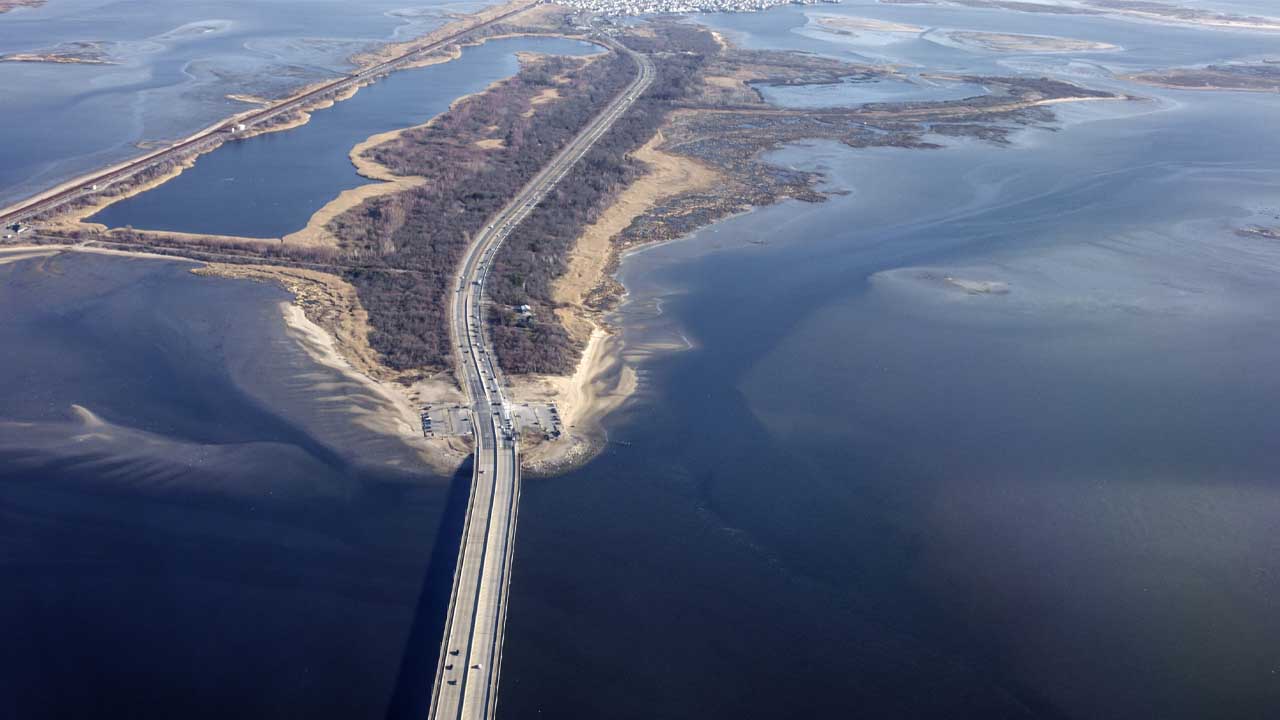
Jamaica illustrates this shift better than almost any other island.
Kingston sits along the Windward Passage, a natural channel used by vessels moving to and from the Panama Canal. As ships grew larger, Jamaica risked losing its place in regional logistics unless it expanded.
In 2016, China Merchants Port joined a consortium that took over the Kingston Freeport Terminal. Construction teams deepened the harbor, created new docking space, and installed advanced container cranes. These upgrades allowed the terminal to handle post-Panamax vessels that serve major Atlantic routes.
China also backed a major highway project linking Kingston with Jamaica’s northern coast. The price reached about 700 million dollars, creating one of the island’s most important transport corridors. In return, the developer secured long-term rights to nearby land parcels for further projects.
China even supported early designs for a large transshipment hub on Goat Islands. Environmental resistance ended that plan, but it revealed how ambitious the blueprint for Jamaica had become.
Today, Jamaica stands as a key link within China’s wider shipping chain across the Atlantic.
The Bahamas: Only 55 Miles From Florida
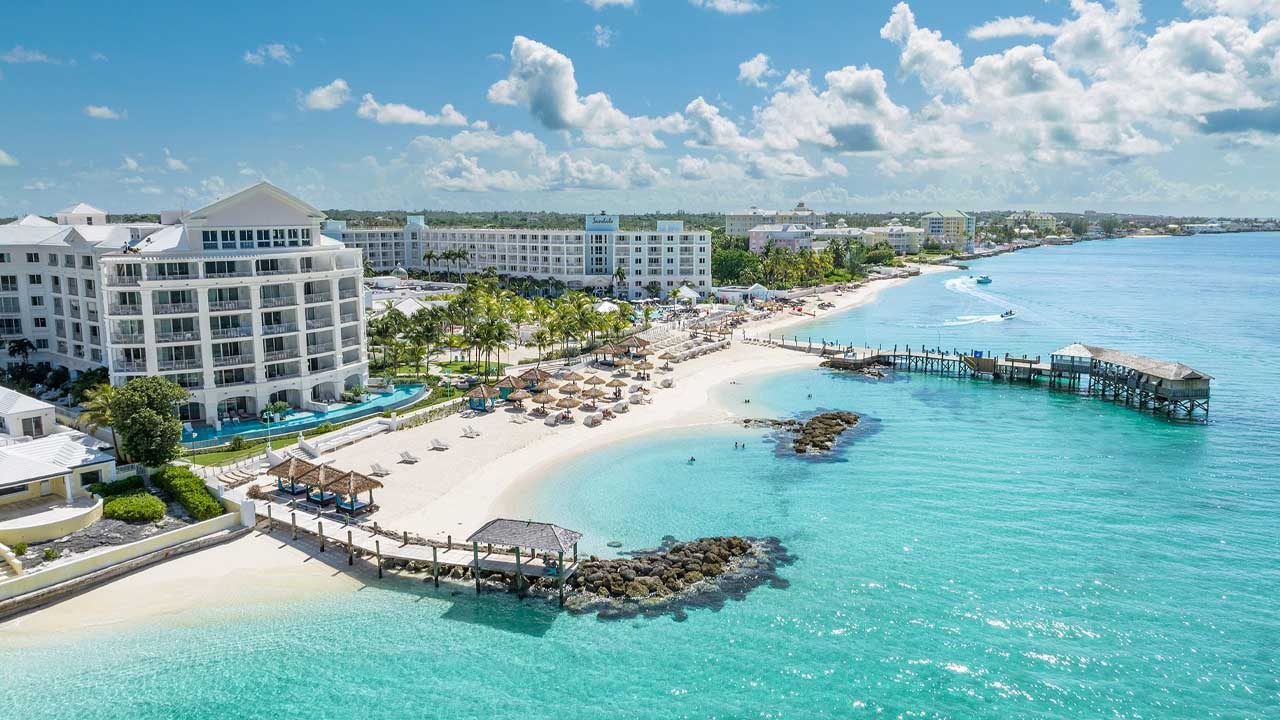
The Bahamas brings the story uncomfortably close to the United States.
Freeport already served as a major transshipment point, but storm damage and financial strain slowed growth. Chinese-linked investment helped the port expand and modernize, improving its role as a cargo distribution center for the region. Hutchison Ports, a Hong Kong–based operator with connections to Chinese state companies, now manages much of the terminal activity.
The upgrades strengthened Freeport’s competitiveness and increased its ability to handle some of the Caribbean’s largest cargo volumes.
Chinese-backed development also touched Nassau. Financing supported the vast Baha Mar resort, public road systems, and several national facilities. On a per-person basis, the Bahamas now ranks among the most heavily invested Chinese partners in the Americas.
For Bahamian leaders, the projects brought employment, tourism growth, and rebuilt infrastructure. For the United States, they introduced Chinese-backed operations in waters closer than many Americans realize.
Cuba: Strategic Location, Limited Partners
Cuba’s long isolation created a natural opening for China.
At the Port of Santiago, Chinese financing supported a modernization program worth more than 120 million dollars. Engineers improved the breakwater, reinforced piers, and dredged deeper channels to allow larger vessels to enter safely. Chinese commercial activity also expanded at the Port of Mariel, a deep-water hub west of Havana.
Cuba’s location, only 90 miles south of Florida, adds another layer. Any Chinese presence here draws immediate attention in Washington. For Cuba, these projects simply bring urgently needed infrastructure. For China, they offer a physical foothold along some of the region’s most sensitive waters.
Why Caribbean Nations Continue to Accept Chinese Investment
Caribbean governments often face slow-moving budgets, high import dependence, and the constant threat of hurricanes. Many ports need major repairs. Tourism-heavy economies rely on reliable transport links, yet maintenance backlogs keep growing. Traditional lenders often move cautiously, with strict conditions and complicated approval steps.
China fills that gap with:
- long repayment timelines
- state-backed contractors
- predictable cost structures
- rapid construction
For many Caribbean leaders, Chinese financing brought progress that had been delayed for years. New ports created jobs, increased trade capacity, and positioned nations for more stable economic growth.
The Trade-Offs and Long-Term Concerns
These agreements come with long-term obligations. Chinese loans often stretch across decades, and repayment schedules shape national budgets far into the future. Critics point to the example of Sri Lanka’s Hambantota Port, where debt struggles led to a long lease agreement involving a Chinese operator. Although the context of that deal is often oversimplified, it remains a reference point in discussions across the Caribbean.
No Caribbean nation has surrendered control of a port. Many have negotiated revised terms or received partial debt relief when needed. Still, reliance on one major partner can shape a nation’s options for generations. Infrastructure lasts, and influence grows with it.
The United States Response
The United States long assumed the Caribbean would remain aligned with Washington. Geography, trade history, and cultural ties supported that view. But once China began offering financing that Western institutions were not providing, the balance shifted.
US officials now express concern over potential intelligence risks, cyber vulnerabilities within port systems, and the possibility that civilian terminals could someday host dual-purpose facilities. American diplomats increased regional outreach, and new development funds emerged. Caribbean leaders often respond with a simple question. If the United States wanted to maintain influence, why were investments missing until China arrived?
What Is Actually Happening Beneath the Geopolitics
Strip away the rivalry, and the core story remains grounded in infrastructure.
China sees the Caribbean as a strategic piece of global shipping. Caribbean governments see China as a partner willing to build what others left unfinished. The United States sees the projects as part of a wider competition that now reaches into waters near Florida. Global trade sees a new series of upgraded ports that connect the Atlantic with the Panama Canal more efficiently.
Each perspective is valid. Each has consequences.
The Larger Picture
So why is China building ports across the Caribbean? The answer goes beyond rivalry or influence. These islands needed modern infrastructure. Shipping routes that support global commerce run directly through the region. The United States left a financing gap, and China stepped in without hesitation. The results now shape the future of trade, diplomacy, and security across the Americas.
The deeper question lingers. Should Caribbean nations decline crucial development simply because a superpower feels uneasy about another competitor expanding nearby?
Your thoughts matter. What direction should the region take as these projects continue to grow?