
UAE’s Etihad Rail: The Project Redefining Middle East Mobility
The moment the UAE unveiled its first national passenger trains at the Global Rail 2025 Exhibition marked a turning point in the country’s story. For decades, the nation shaped its identity around airports, superhighways, and ports that became global benchmarks. A passenger rail system felt out of reach, almost unnecessary in a place built around the car. That changed when sleek, fully functional trainsets appeared in Abu Dhabi, signalling a new era built around speed, comfort, and long-term sustainability. I still remember the sense of surprise in the hall as the first carriage doors opened, revealing a future that suddenly felt very real.
Why Etihad Rail Exists
The UAE’s roads create freedom, but they also create strain. Six-lane highways link emirates with precision, yet congestion still costs the economy more than seven billion dollars every year. Nearly every household owns at least one car, and that number rises as the population grows past ten million. Transport emissions form a significant share of the country’s carbon footprint, adding new pressure to reach Net Zero by 2050.
The government needed a long-term solution. Rail offered reliability, predictable travel times, lower emissions, and the ability to move millions without expanding highways. Etihad Rail became the answer. It represents mobility designed for the next generation, not the past. It shifts people from road to rail, strengthens freight logistics, and builds a national system scaled for a future population expected to reach fifteen million by 2030.
Also Read: How Belgium’s $8 Billion Energy Island Will Power Europe
The Scale Behind the Vision
Etihad Rail spans more than twelve hundred kilometers across all seven emirates, forming one of the largest infrastructure programs in the region. The passenger network, roughly nine hundred kilometers long, runs from the Arabian Gulf to the mountains of Fujairah. It links eleven major cities and builds a continuous mobility spine across the country.
By the time operations settle into full capacity, the system is projected to carry more than 36 million passengers every year. These numbers place the UAE alongside established rail nations that rely on fast intercity travel to support growing economies.
The project’s total investment sits at around thirteen billion dollars. Behind those numbers is an engineering workforce drawn from more than forty nationalities, using standards from the International Union of Railways and guidelines aligned with European safety systems. Every section reflects a decade of planning shaped around efficiency and long-term durability.
Routes That Shrink the Country
Travel times change the way people live. That is where Etihad Rail makes its biggest impact.
Abu Dhabi to Dubai takes fifty minutes. Dubai to Fujairah also drops to about fifty minutes. Abu Dhabi to Ruwais falls to just over an hour. Abu Dhabi to Fujairah becomes an hour and forty minutes. These times shift the mental map of the UAE, turning long drives into predictable, quiet journeys that support commuters, families, and businesses.
Future plans already outline a dedicated high-speed line between Abu Dhabi and Dubai. A thirty-minute journey along one of the world’s most important corridors could reshape real estate, hiring patterns, and daily life. The system will also extend into Oman, linking Abu Dhabi to Sohar in roughly one hour and forty minutes. Al Ain to Sohar will drop to forty-seven minutes. The Gulf grows smaller and more connected.
Stations Designed for a National Network
Each station sits in a location chosen for long-term urban value. The first passenger station is set in Sakamkam, near Fujairah’s coastline and industrial port. Sharjah’s station, near University City, ties the network to one of the country’s largest education hubs. Dubai will place stations near Jumeirah Golf Estates and Al Maktoum International Airport, ensuring integration with RTA networks. Feeder buses and taxis will meet passengers directly at station entrances, creating smooth transfers across the city.
These stations act as more than platforms. They create new mobility districts shaped around walkability, retail, and employment. For the first time, the UAE gains a connected national grid where rail, roads, and urban transit operate together.
Train Performance and Passenger Classes
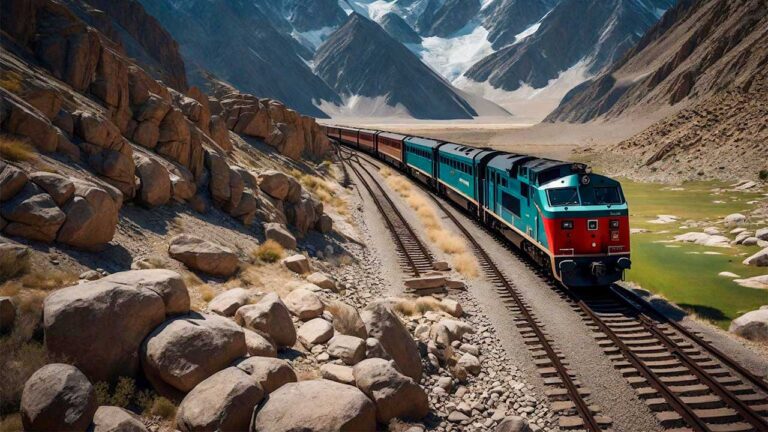
Etihad Rail’s trains operate at 200 kilometers per hour. A future high-speed version will reach 350 kilometers per hour, placing the UAE among countries with advanced fast rail systems. Each train carries more than four hundred passengers and offers three classes: Economy, Family, and First Class.
The First Class carriage seats only sixteen people, arranged to resemble the privacy of an aircraft cabin. Economy carriages seat fifty-six passengers with generous spacing. Family Class offers mixed seating arranged for parents and children. The design sends a clear message: rail travel should feel practical, calm, and premium.
Inside the Passenger Experience
The interior draws inspiration from high-end European trains and modern Gulf design. Passengers receive personal infotainment screens, power outlets, and reliable onboard connectivity for work or entertainment. Climate systems handle the severe desert heat with precision cooling. The cabins feel quiet and bright, with interiors crafted by the Italian firm Arsenale, known for luxury rail concepts inspired by historic services like the Orient Express.
Stations elevate the experience with retail space, restaurants, business lounges, and calm waiting areas. It creates an environment that competes directly with the comfort of driving or flying.
Engineering in a Challenging Environment
Building rail across the Emirates required adapting construction methods to one of the harshest climates on Earth. Temperatures rise above fifty degrees Celsius, so engineers designed cooling systems that protect locomotives, electrical components, and passenger compartments. The route crosses Sabkha soil, where salt flats weaken under load. Engineers stabilized these areas with deep foundations and reinforced embankments.
The network includes more than 145 bridges and overpasses. It cuts through mountain ranges using tunnels designed to reduce noise and vibration. In the desert, elevated track sections prevent sand from drifting onto rails. These solutions create a system suited to Gulf conditions, not copied from other climates.
Freight: The Quiet Success Story
Etihad Rail’s freight network began first, and its results reshaped national logistics. Since 2016, more than three million tons of cargo have crossed the country by rail. The fleet includes 38 locomotives and over a thousand wagons capable of transporting containers, bulk materials, and specialized industrial loads.
A single freight train removes around three hundred trucks from highways. That drops emissions, lowers road maintenance costs, and reduces congestion for daily commuters. Passenger and freight operations share the same core infrastructure, making the system efficient and financially resilient.
The signing of the UAE-Oman Railway project in 2023 strengthened cross-border freight links even further, creating a corridor expected to support industries from petrochemicals to manufacturing.
Regional Influence and Global Connectivity
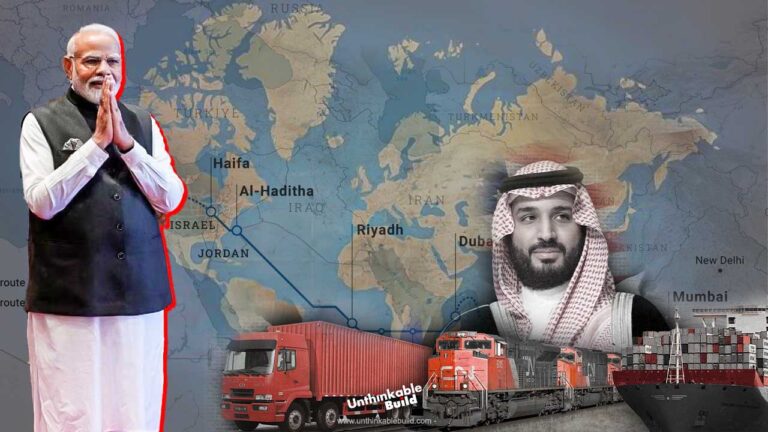
Etihad Rail fits into a larger vision: the GCC Railway Network. This future system stretches more than two thousand kilometers across the Gulf, linking the UAE with Saudi Arabia, Oman, Qatar, Bahrain, and Kuwait. These lines will connect ports, logistics districts, and new economic zones that shape the region’s long-term future.
Through ports like Jebel Ali and Khalifa Port, which together handle nearly a third of global container traffic, the UAE becomes a gateway for goods traveling between Asia, Africa, and Europe. The rail network aligns with global supply chains and may integrate with trade corridors shaped by China’s Belt and Road Initiative. In effect, Etihad Rail strengthens the UAE’s position as a regional and international logistics hub.
Economic Value for the Nation
The economic impact reaches far beyond ticket sales. Etihad Rail is expected to contribute thirteen billion dollars to the national GDP over the next decade. It supports about nine thousand direct jobs and thirty thousand indirect roles through local suppliers, construction firms, and service industries.
Shorter travel times could reduce commuting by as much as forty percent. People gain the freedom to live in one emirate and work in another without relying on long daily drives. Businesses gain access to larger talent pools. The system turns the UAE into a connected economic space rather than separate urban regions.
Environmental Impact and the Road to 2050
Rail forms one of the cleanest ways to move people and goods. Etihad Rail’s passenger trains emit seventy-five percent less carbon dioxide per kilometer than cars. As renewable energy production expands across projects like the Mohammed bin Rashid Solar Park, future trains will run on cleaner power.
National projections show that rail will reduce transport emissions by twenty-one percent by 2050. For a country investing heavily in low-carbon development, this shift supports economic growth without increasing environmental pressure.
Also Read: Rise Tower: The Hidden Math Behind the World’s Tallest Skyscraper
The Question That Shapes the Future
With everything in place, the next chapter depends on people. The UAE has a deep car culture shaped by convenience, comfort, and the identity of driving. Etihad Rail must show that trains offer a better experience. The system will test how commuters adapt, how companies shift their logistics strategies, and how tourism grows when movement becomes faster and easier.
What happens next will define mobility in the Emirates for decades.