
Global Megaprojects and the Lessons Shaping the Future Tasmania Bridge
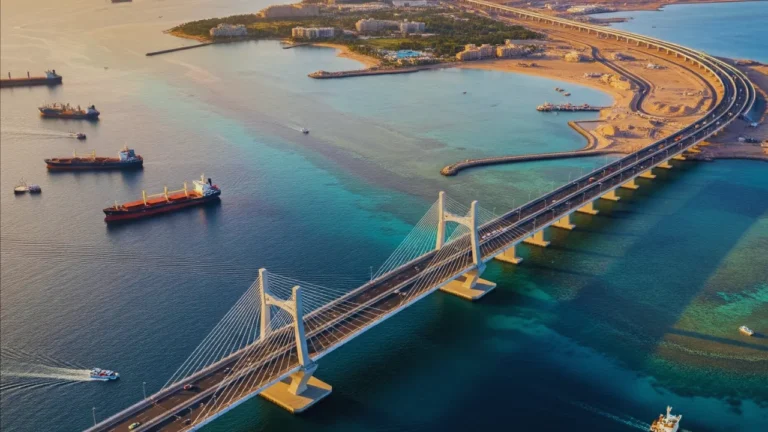
Across the world, nations continue to chase bold infrastructure dreams. Towering towers redefine skylines. Ocean tunnels link countries that once relied on ferries. Mega bridges span hostile waters once thought impractical to cross. I follow these projects closely, and every time I see a line of pylons rise from the sea or a tunnel breakthrough celebrated underground, I sense the same blend of hope and risk. These projects promise speed, connectivity, and growth, yet they demand accuracy, discipline, and public trust.
Tasmania stands at a similar crossroads today. Planners now discuss the concept of a fixed crossing between the island and mainland Australia, a structure bold enough to reshape logistics, tourism, and trade for decades. You can already envision the possibilities. Trucks rolling uninterrupted between Victoria and Devonport. Emergency services gaining dependable access during severe weather. Tourism flows losing their dependence on ferry schedules. Every benefit sounds compelling, yet the consequences of failure loom just as large. I imagine standing on the edge of the Bass Strait, watching waves collide against the shoreline, and feeling the weight of how real this ambition has become.
What a Modern Megaproject Really Means
In 2025, professionals define a megaproject by scale, complexity, and risk rather than size alone. Most exceed the one billion dollar threshold. All involve multilayered planning, international engineering partnerships, and political oversight that stretches across years. These ventures test more than budgets. They test leadership and coordination.
Dubai Creek Tower illustrates this reality. Designed to reach over 1,300 meters, the structure aims to overtake Burj Khalifa as the tallest man built feature on Earth. Emaar Properties confirmed continued site enablement work in 2024 as Dubai reassessed design optimization after earlier pandemic delays. The tower targets tourism revenue measured in billions and anchors a wider waterfront redevelopment model built on transit hubs, mixed use districts, and sustainable cooling systems.
Also Read: Saudi–Egypt $4B Red Sea Bridge Connecting Asia & Africa
Europe continues its own megaproject race beneath the Baltic Sea. The Fehmarnbelt Tunnel now advances past excavation milestones. Once finished, the 18 kilometer immersed tunnel will connect Denmark and Germany in roughly ten minutes by train. The Danish Ministry of Transport reaffirmed its opening target between 2029 and 2030 after cost stabilization at approximately $7.4 billion USD. The tunnel will support over 16,000 road vehicles and roughly 180 trains each day. Freight transit between Scandinavia and Central Europe will shift from ferries to uninterrupted rail corridors.
Each of these ventures supports a shared reality. Megaprojects stimulate employment, reshape logistics chains, and project national ambition. They also carry brutal financial exposure. Cost overruns remain common. Schedule slippage damages political credibility. Environmental resistance grows when planners fail to communicate openly with affected communities.
Tasmania’s Connectivity Challenge
Tasmania holds the distinct status of being Australia’s only island state. Roughly 570,000 residents depend on maritime or air connections to maintain daily trade and travel flows. Tourism continues to fuel local business. Government tourism data recorded more than 1.3 million visitors in 2024, with steady growth heading toward pre pandemic recovery highs.
At present, physical freight depends primarily on the Spirit of Tasmania sea service running between Devonport and Melbourne. The service handles around 450,000 passengers and more than 100,000 vehicles each year. Severe storms frequently disrupt sailing schedules. Winter cancellations force delays that ripple through supply chains.
Air traffic supports personal mobility but strains affordability. Hobart, Launceston, and Devonport airports together moved nearly 3 million passengers in 2024. Rising fuel costs and limited carrier capacity keep domestic fares elevated. Cargo capacity depends heavily on belly freight capacity rather than dedicated air logistics.
A fixed bridge connection could bypass many of these systemic constraints. Direct road access would reshape shipping economics for Tasmanian agricultural exporters. Cold chain seafood shipments would avoid transit delays. Manufacturing inputs would flow faster, and outbound freight would gain price stability. Emergency logistics would benefit during bushfire seasons and storm events when maritime services suspend operations.
Every economic model attached to the proposal demonstrates long term growth gains. Reduced transport friction improves business confidence. Tourism itineraries expand. Regional towns isolated from major ports gain stronger logistical ties. Yet the bridge introduces real controversy. Marine scientists warn of habitat disruption across the Bass Strait ecosystem that supports southern right whales, seal breeding grounds, and migratory bird corridors. Indigenous heritage mapping identifies multiple coastal cultural sites requiring legal protection. Preliminary cost modeling places total expenditure above $10 billion AUD, potentially rising higher depending on tunnel or bridge alignment choices.
Learning from Costly Infrastructure Failures
History offers clear warnings.
Sydney Opera House began in 1959 with a $7 million AUD budget and a four year schedule. Political interference and incomplete engineering documentation pushed completion to 1973. Final costs reached $102 million AUD. While the structure evolved into an architectural icon with immeasurable tourism value, its procurement chaos remains mandatory reading for planners.
Berlin Brandenburg Airport repeated similar mistakes decades later. Construction launched in 2006 with intentions to open in 2011. Fire safety failures, networking system incompatibilities, and contractor disputes delayed opening until 2020. Final costs reached roughly $7.3 billion USD, nearly triple projections. Technical mismanagement eroded public confidence in German infrastructure governance.
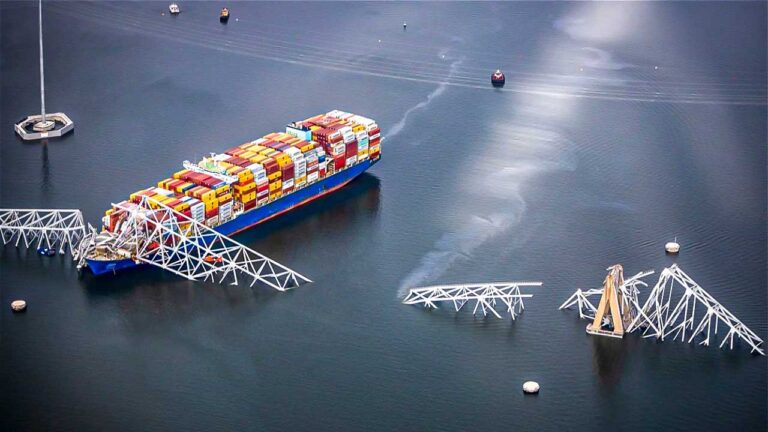
These failures expose shared weaknesses. Leaders approved construction before finalizing designs. Oversight fragmented across agencies. Political pressure suppressed early warning signals. Tasmania cannot repeat these oversights. The bridge planning stage must involve independent engineering audits. Transparent public cost modeling must update continuously. Contingency allowances must exist from day one. Strong project governance matters as much as steel quality.
Projects That Set Global Standards
Some megaprojects demonstrate what disciplined delivery achieves.
The Øresund Bridge stands as an engineering success linking Denmark and Sweden since 2000. The structure combines a cable stayed span, Peberholm artificial island, and an underwater tunnel. The $4.1 billion USD project completed on schedule. Environmental monitoring guided construction methods to protect local marine ecosystems. Today, more than 20,000 vehicles and approximately 80,000 rail passengers cross daily. The bridge supports regional migration patterns and cross border business growth without compromising biodiversity benchmarks.
Saudi Arabia’s NEOM city reaches even greater scale. The 26,500 square kilometer development integrates renewable energy networks, hydrogen production facilities, marine conservation zones, and automated mobility corridors. By late 2024, project authority confirmed the completed installation of major wind generation clusters to power early residential districts. While the city remains under phased construction, the governance model shows how early environmental integration reduces downstream retrofitting costs.
Tasmania can mirror these disciplines. Sustainable coating materials can protect pylons from saltwater corrosion. Solar powered lighting systems can serve navigation safety. Structural health sensors can transmit fatigue data to predictive maintenance systems. Early investment in green engineering eliminates future overhaul costs while reinforcing confidence among residents and regulators.
Building Trust Alongside Concrete
Engineering performance alone cannot secure public acceptance. Community partnership defines project legitimacy.
Major builds collapse politically when decision makers isolate communities. Honest consultation must begin before route selection. Fishermen require transparent data on habitat impacts. Indigenous representatives must participate in cultural site preservation planning. Regional traders deserve clarity on freight pricing benefits. Each stakeholder voice strengthens project resilience.
Australia’s own Inland Rail Program illustrates the need for this approach. Public resistance slowed early delivery schedules when landholders reported insufficient communication. Revised community engagement protocols later accelerated approvals and restored confidence.
The Tasmania Bridge must apply similar lessons from inception. Planners should create community advisory boards. Public feasibility publications must remain accessible, not buried inside technical bulletins. Timelines must remain realistic. Trust erodes faster than budgets.
Also Read: These 90-Year-Old Bridges Could Cut Off Cape Cod — Here’s the $4.5B Fix
An Opportunity Shaped by Global Experience
This bridge represents more than structural ambition. It tests the nation’s infrastructure governance capability. Success would connect Tasmania’s economy seamlessly to national supply chains. Tourism would stabilize. Rural producers would gain dependable logistics. Emergency response capacity would improve.
Failure would burden taxpayers for generations.
Global megaproject lessons reveal that ambition alone cannot build enduring infrastructure. Discipline builds longevity. Transparency builds public patience. Environmental responsibility builds credibility beyond borders.
I have watched megaprojects unfold across continents. I have seen triumph where oversight never wavered. I have seen chaos where leaders rushed groundbreakings ahead of planning maturity. Standing at this intersection of global knowledge and Tasmanian ambition, the path forward feels unmistakably clear.
Tasmania can build a bridge that becomes an engineering reference point rather than a financial cautionary tale. The knowledge already exists. The precedents stand worldwide. The choice now rests not on possibility, but on diligence.
And as I picture the Bass Strait stretching toward the horizon, I cannot shake the feeling that this moment will define how future generations remember Tasmania’s boldest step forward.